

 Log in

since 2023

since 2017

since 2016

since 2017
Full mold creation cycle
Discuss cooperationDesign
Manufacturing
Testing
Samples
Serial production launch
Modern metalworking workshop


What's included in mold design and manufacturing

Technical brief analysis
We clarify the exact result you need

Part design manufacturability audit
Industrial designers and engineers propose solutions that reduce tooling cost without losing part quality

Development
3D model and engineering documentation development

Mold design
Mold design with optimal life for your batch size — you do not overpay for unused reserve

Manufacturing
Tooling manufacturing and assembly in-house, without subcontractors

Testing
Test shots, quality control and handover of the finished mold with confirmed results
Completed projects
Over the years AMMOLIT PLUS has delivered dozens of projects for Ukrainian and international companies.
We create molds for:
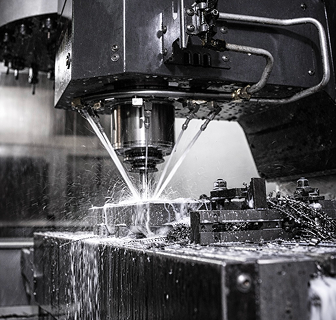
Modern processing
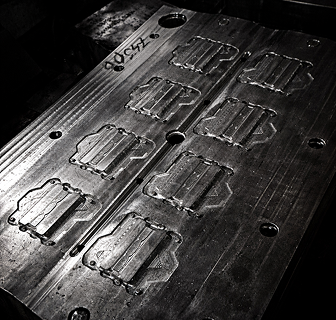
Branded buckle
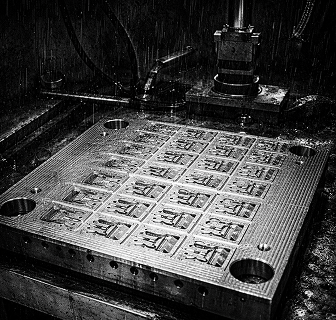
Multi-cavity mold for buckles
Production stages: how we design and manufacture molds


Part analysis
Design engineers and industrial designers review drawings, 3D models and part requirements. At this stage we already find optimization opportunities that save your budget.

Design
Specialists with mold experience calculate the runner system, cooling and ejection mechanisms — so the mold runs stably and the injection cycle stays minimal.

Part machining
Programmers and experienced CNC operators perform high-precision machining on new equipment. New machines + team experience = accuracy without unnecessary rework and delays.

Assembly and testing
Mold fitters assemble and adjust the tooling, we run trial shots. You get equipment ready for serial production.
Why companies trust AMMOLIT PLUS
We don’t just manufacture molds — we use them every day in our own serial production of plastic parts.
That’s what sets us apart from many tooling makers:
-
01
We use only the best steels from leading manufacturer Proplastica
-
02
We design molds for long-term operation
-
03
We keep serial production stable through mold maintenance.

What our clients say
5.0

We provide services across Ukraine, ensuring stable quality and fast delivery
Learn more from our clients


...
...
...
get a detailed quote and clear launch plan
We’ll develop drawings from your sketch and ensure production
Frequently asked questions
Can I order a mold from a finished part sample without drawings?
Yes. We can reverse-engineer the part, create a 3D model and design a mold based on it.
What is the service life of the molds you make?
Tool life depends on design and material, but can range from tens of thousands to several million injection cycles.
How long does it take to make an injection mold?
Lead times depend on project complexity and usually range from a few weeks to several months.
How long does mold design take?
The design stage usually takes from a few days to several weeks, depending on part complexity and customer approvals.
What is an injection mold and what types exist
An injection mold is high-precision tooling used to manufacture plastic parts by injection molding. Its design determines part accuracy, serial production stability and the cost of the finished product.
Depending on production needs, we use:
- Cold-runner molds
- Hot-runner molds
- Single- and multi-cavity molds
- Molds for technical parts
- Molds for large parts
- Prototype and serial solutions
AMMOLIT PLUS specialists help choose the optimal configuration based on volume, material and part requirements.
Mold design: what you should know
A modern mold consists of many engineering assemblies that ensure a stable injection cycle and high part quality.
The main elements are:
- Cavity and core forming parts
- Runner system
- Cooling system
- Ejection mechanisms
- Guiding elements
- Venting system
- Replaceable inserts and configurable assemblies
A well-designed tool shortens the production cycle, reduces scrap and ensures long tooling life.
Which materials are used for molds
Molds are made from special tool steels that provide high hardness, load resistance and long service life.
Depending on the task, we may use:
- Pre-hardened steels
- High-alloy tool steels
- Corrosion-resistant steel grades
- Steels for abrasive materials
- Materials for high-temperature molding
We pay special attention to cooling systems and machining accuracy, because they strongly affect the quality of the future part.
Where plastic molds are used
Injection molds are used in almost every manufacturing sector:
- Automotive
- Electronics and electrical engineering
- Medical products
- Tactical gear
- Industrial equipment
- Home appliances
- Packaging
- Construction
- Agriculture
AMMOLIT PLUS has experience building molds for both civilian products and special-purpose parts.
What affects the price of mold design and manufacturing
Project cost is calculated individually and depends on:
- Part geometry complexity
- Number of cavities
- Runner system type
- Required mold life
- Material type
- Accuracy requirements
- Moving mechanisms
- Project lead time
To get a preliminary quote, provide a drawing or 3D model of the part.